
Insulation Destroyed by Infestation Activity
Attic Insulation Removal & Replacement in San Jose for properties with contaminated insulation requiring extraction and restoration
Insulation soaked with rodent urine loses thermal performance and becomes a permanent contamination source that affects indoor air quality long after infestations end. Rodents burrow through fiberglass batts and cellulose insulation to build nests, compact material around travel paths, and saturate large sections with waste that cannot be cleaned or deodorized. Complete removal of damaged insulation from attics and crawl spaces eliminates contamination and prepares surfaces for replacement material that restores energy efficiency and removes health risks.
Simply Rodents extracts insulation contaminated with droppings, urine, and nesting materials using containment procedures that prevent contaminated particles from spreading into living areas during removal. Surface preparation follows extraction, addressing any remaining debris on joists and decking before new insulation is installed. The connection between insulation contamination and indoor air quality makes removal necessary when urine odors persist or when visible contamination covers significant attic areas.
Request a professional attic evaluation to determine whether contamination severity requires full insulation removal or if sanitation alone addresses the damage.
What You Notice Once Restoration Work Is Finished
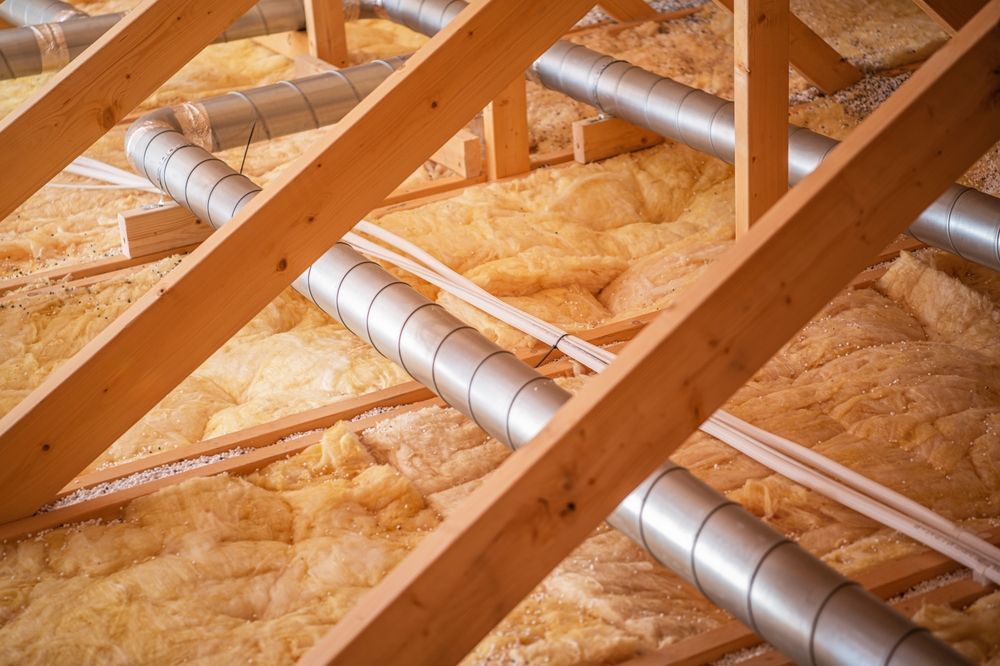
Removal work strips contaminated insulation down to bare attic decking and joists, which allows inspection of structural surfaces for damage that was hidden beneath compacted or saturated material. Surface preparation includes removing remaining debris, sanitizing wood surfaces, and verifying that exclusion repairs have sealed all entry points before replacement insulation is installed. New insulation restores the thermal barrier that contaminated material could no longer provide.
After replacement insulation is installed, urine odors that previously infiltrated living spaces are permanently eliminated, energy bills decrease as thermal performance returns to design levels, and attic spaces become accessible without exposure to contaminated materials. Temperature regulation improves throughout the home as the attic no longer allows unconditioned air to transfer heat into living areas during summer or permit heat loss during winter months.
Replacement insulation does not prevent future infestations unless exclusion work has already sealed entry points that rodents used to access the attic. Sanitation must occur before insulation installation to ensure surfaces are clean and free of contamination that would compromise new material. Energy efficiency benefits depend on installing insulation to proper depth and R-value specifications for the Bay Area climate, where moderate temperature swings require balanced thermal resistance.
What Property Owners Usually Ask
Insulation removal and replacement raises questions about necessity, process, and the relationship between contamination and energy performance.
What makes insulation contaminated beyond cleaning?
Urine saturation penetrates deep into fiberglass and cellulose fibers and cannot be extracted or neutralized, while compacted insulation loses loft and thermal performance even after surface debris is removed, making replacement the only effective solution.
How does contaminated insulation affect energy costs?
Insulation saturated with urine or compacted by rodent travel loses its ability to trap air and resist heat transfer, which forces heating and cooling systems to run longer to maintain indoor temperatures and increases energy consumption measurably.
What happens during the removal process?
Contaminated insulation is extracted using vacuum systems or manual removal depending on attic access and contamination severity, with containment barriers preventing particles from entering living spaces during the extraction process.
Can insulation be replaced without exclusion work?
Installing new insulation before sealing entry points allows rodents to contaminate replacement material immediately, which wastes the investment and perpetuates the same contamination and energy efficiency problems that necessitated removal.
How long does removal and replacement take?
A typical residential attic requires one to two days for complete insulation removal, surface preparation, and replacement installation, depending on attic size, access limitations, and the extent of contamination requiring extraction.
Simply Rodents coordinates insulation removal with prior exclusion and sanitation work to ensure new material is installed in a clean, sealed environment that prevents recontamination. Arrange an inspection to evaluate insulation contamination severity and receive a detailed plan for extraction and restoration based on your attic's specific conditions.