
Identifying Entry Points Before Infestations Start
Preventative Rodent Inspections in San Jose for properties with vulnerable roofs, attics, crawl spaces, vents, and foundations before rodent activity becomes noticeable
Bay Area homes often have structural vulnerabilities that rodents exploit long before owners notice droppings, odors, or sounds in walls and ceilings. Preventative rodent inspections identify these weaknesses early, allowing repairs to be made before infestations establish and require extensive cleanup, exclusion work, and damage repair. Simply Rodents inspects roofs, attics, crawl spaces, vents, and foundations to locate the gaps, openings, and material failures that give rodents access to interior spaces.
Older Bay Area homes frequently show construction gaps around eaves and rooflines, deteriorated vent screens, and foundation openings where wood framing meets concrete—conditions that worsen over time as materials age and shift. Inspections reveal whether roof vents lack proper screening, whether crawl space access doors sit loosely in their frames, and whether attic spaces show signs of previous rodent presence that was never fully addressed. Identifying these conditions before active infestations develop reduces future costs associated with insulation replacement, structural repairs, and sanitation work.
Schedule a preventative inspection to evaluate your property's vulnerability and address structural weaknesses before rodents establish entry routes.
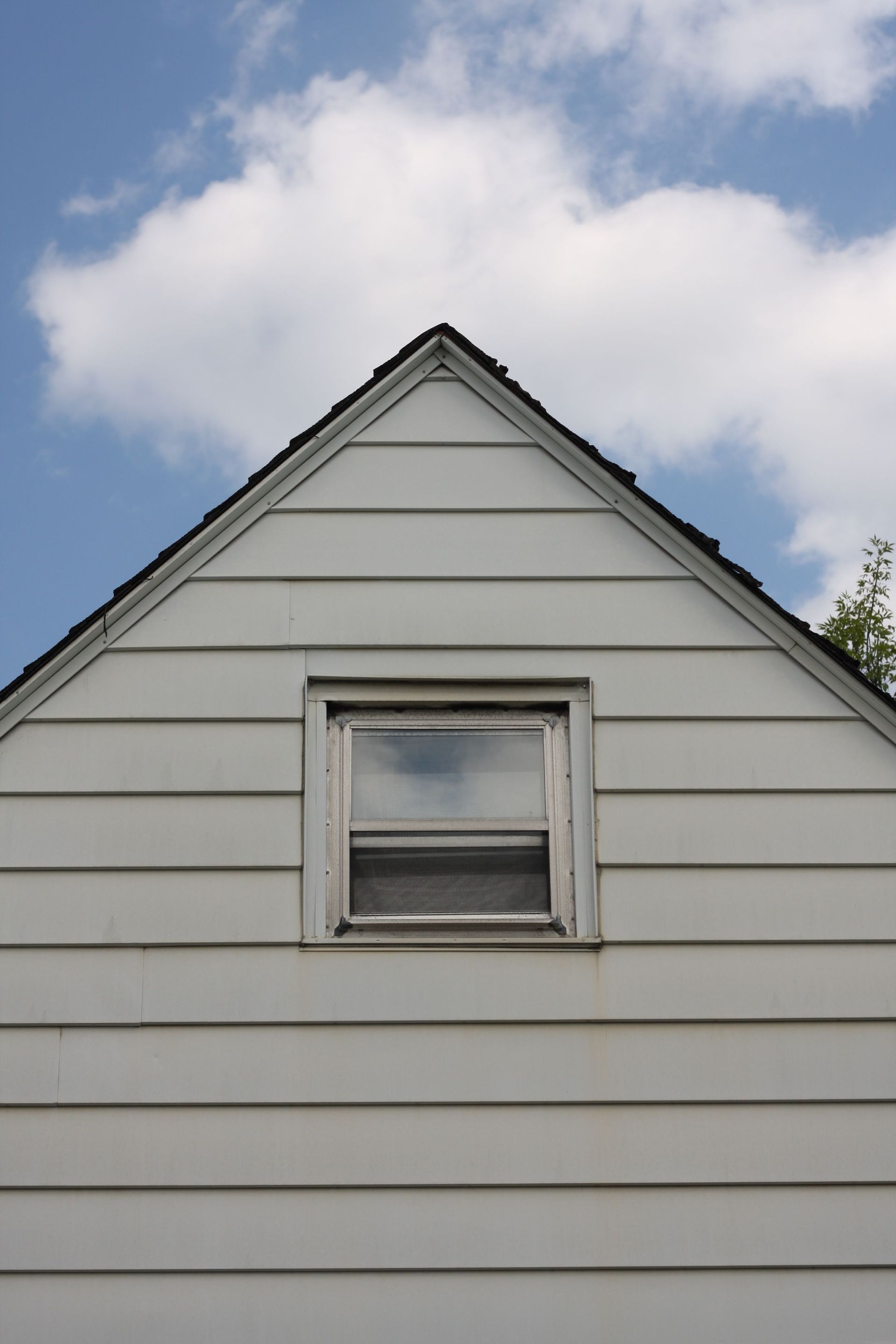
What Inspections Reveal About Structural Condition
Preventative inspections focus on the specific locations where rodents most commonly gain access to Bay Area homes. Roof edges and eaves are examined for gaps between roofing materials and trim, areas where rats can squeeze through openings as small as half an inch. Attic vents are checked for intact screening and secure mounting, since deteriorated screens offer easy access to nesting areas. Crawl space perimeters are inspected for openings around foundation vents, utility penetrations, and access doors that may have warped or pulled away from their frames over time.
After a preventative inspection, property owners receive documentation of every vulnerable area identified, along with recommendations for repairs prioritized by risk level. High-priority items include openings that provide direct access to living spaces or attics, while lower-priority items might involve reinforcing areas that are currently secure but show early signs of material failure. Simply Rodents explains what each repair involves and why it matters, helping owners make informed decisions about which improvements to complete immediately and which to schedule for future maintenance.
Preventative repairs completed after inspection typically cost a fraction of what full exclusion and cleanup work requires once an infestation has established. Sealing a few roof gaps and replacing vent screens takes hours, while addressing an active infestation involves trapping, exclusion across multiple entry points, insulation removal, sanitation, and structural repairs that extend across weeks and involve multiple service visits.
Common Questions About This Service
Homeowners considering preventative inspections often want to know what the process involves and when inspections provide the most value.
What areas are included in a preventative inspection?
Inspections cover roofs, attics, crawl spaces, foundation perimeters, vents, eaves, utility entry points, and any structural transitions where building materials meet and gaps commonly form.
How do you know if rodents have already entered?
Inspectors look for droppings, gnaw marks, urine stains, nesting material, grease marks along travel routes, and characteristic odors that indicate active or recent rodent presence.
When is the best time to schedule a preventative inspection?
Fall inspections are particularly valuable in San Jose because cooler weather drives rodents to seek shelter indoors, making pre-winter repairs effective at preventing seasonal infestations.
Why are older Bay Area homes more vulnerable?
Many Bay Area homes were built before modern exclusion standards existed, with construction techniques that left gaps around eaves, vents, and foundations that rodents easily exploit as materials age and settle.
What happens if the inspection finds existing rodent activity?
The inspection findings shift to an exclusion and remediation plan that addresses active infestation first, then completes structural repairs to prevent re-entry.
Simply Rodents provides detailed preventative inspections throughout the Bay Area, with written documentation and repair recommendations tailored to your property's specific vulnerabilities. Contact us to protect your San Jose home before rodent problems develop.